Complete Guide: Key Factors to Keep in Mind When Purchasing Engines Online for Your Vehicle
When purchasing an engine online, various factors come into play to ensure a satisfactory deal. Matching the engine to your vehicle is critical, demanding careful review of details like vehicle make, model, and VIN. Shoppers need to evaluate the pros and cons of new, remanufactured, and used options. Knowing warranty terms and locating reliable vendors can add complexity to the purchasing journey. As all these considerations converge, it is evident that well-researched choices are critical for a positive result. How should one proceed from here?
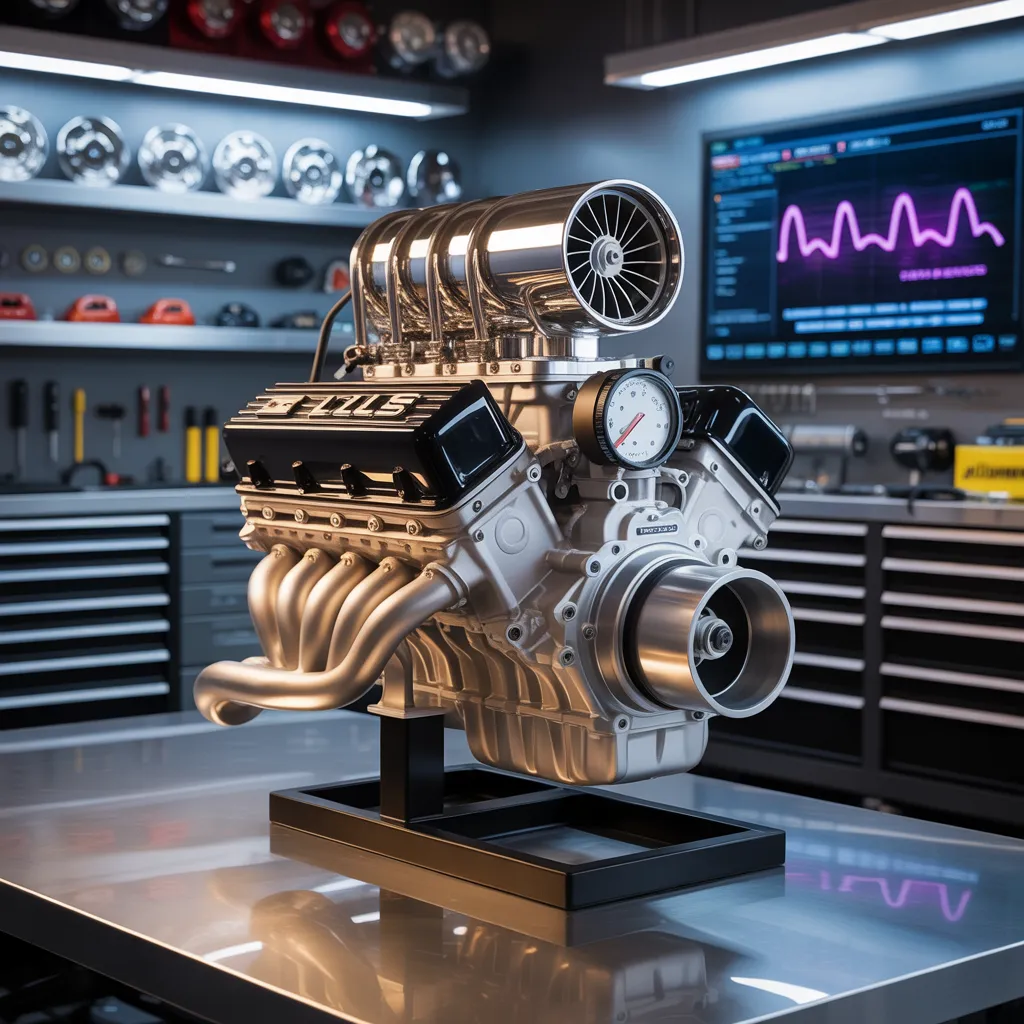
How to Confirm Engine Compatibility With Your Vehicle
When purchasing an engine through an online retailer, verifying that the engine is compatible with your car is critical for ensuring a proper fit. Buyers should begin by identifying the vehicle's make, model, and year, as these specifications are significant for matching the engine. In addition, checking the vehicle identification number (VIN) can provide specific details that aid in confirming compatibility.
Additionally, it is essential to take into account the type of engine, such as whether it is gasoline or diesel, as well as the engine size and configuration. Investigating the engine's component numbers can also prove helpful in determining that it aligns with the requirements of the vehicle.
Purchasers should consult the retailer for any compatibility guarantees or return procedures, which can protect against unforeseen issues. Lastly, reviewing buyer testimonials and looking for reliable sources can provide insights into the seller's credibility, ensuring a knowledgeable buying decision.
Choosing Between New, Remanufactured, or Used Engines
Remanufactured engines provide a middle ground, as they are restored to fulfill factory standards. This choice generally strikes a balance between cost and reliability, drawing in those who desire peace of mind without the cost of a brand-new engine. Furthermore, rebuilt engines frequently come with warranty coverage, increasing their appeal.
Second-hand engines represent the most economical selection but carry inherent risks, including unknown wear and potential lack of warranty. Buyers must thoroughly evaluate the engine's history and condition before purchasing. Ultimately, the decision should align with individual priorities, taking into account elements like financial limitations, performance requirements, and risk tolerance.
Understanding Warranties and Returns for Online Engine Purchases
Navigating the nuances of warranty terms and return conditions is vital for anyone purchasing an engine online. Purchasers should thoroughly examine the warranty conditions offered by the seller, as these can vary greatly between manufacturers and retailers. A comprehensive warranty commonly includes defect coverage and delivers confidence and assurance, but it's important to be aware of the duration and particular terms.
Return policies are equally important; they dictate the terms under which an engine can be returned if it does not meet expectations or if there are compatibility issues. A number of sellers may provide a narrow return timeframe or apply restocking fees, both of which can influence the final cost. Additionally, it is advisable to inquire about the process for returning faulty parts, as this can save considerable hassle later. Being aware of these aspects contributes to a more efficient transaction and secures the buyer's financial commitment in the long term.
Creating a Realistic Budget for Your Engine Investment
When planning a budget for purchasing an engine, it is crucial to begin by setting a well-defined budget range. Buyers must also consider installation expenses, as these can greatly impact the overall costs. Moreover, accounting for future maintenance costs will help confirm that the purchase remains financially viable in the long run.
Define Your Budget Range
Establishing a budget for an engine purchase requires careful consideration and financial foresight. Interested buyers should first explore available options to determine the pricing landscape for various engine categories, including new, rebuilt, and pre-owned alternatives. It is crucial to assess personal finances and determine how much can be allocated without compromising other financial obligations. Purchasers should also consider the long-term value of the engine, taking into account dependability and output in relation to the purchase price. Setting a budget range not only aids in narrowing down choices but also guards against financial overreach. In the end, a clearly established budget confirms that the purchaser remains concentrated on engines that satisfy both their requirements and budgetary constraints, streamlining the buying experience.
Factor In Installation Costs
Setting a budget for an engine purchase involves more than just the cost of the engine itself; installation costs must also be factored in. These expenses can differ significantly based on the complexity of the job, the vehicle type, and labor rates across various shops. Mechanics might apply a flat fee or an hourly rate, both of which can accumulate rapidly. In addition, the need for specialized tools or equipment can further raise the overall expenses. It is essential for buyers to gather quotes from multiple mechanics in order to arrive at an accurate estimate of installation expenses. By factoring these costs into the total budget, buyers can prevent unforeseen financial burdens and ensure a more seamless engine replacement experience.
Plan for Future Maintenance Outlays
Forecasting prospective servicing costs is crucial for those buying an engine. Individuals should assess the extended costs related to engine maintenance, including oil changes, filter replacements, and potential repairs. It is advisable to examine the specific engine model to identify its performance history and frequent problems, as certain engines may demand regular servicing than others. Furthermore, warranty options can deliver confidence but may also alter the full financial plan. Buyers should consider the costs of specialized equipment or expert services needed for repairs. By preparing for these financial obligations, buyers can make a better decision, ensuring that their expenditure aligns with their financial capabilities over the engine's service life. This proactive method eventually improves mechanical performance and long-term reliability.
Spotting Reputable Online Engine Suppliers
When buying a motor online, evaluating retailer credibility is crucial. Buyers should examine the vendor's track record, confirm warranty coverage, and review return procedures to protect their investment. These measures can reduce potential risks and improve the overall purchasing experience.
Examine Retailer Reputation
Many considerations are involved in identifying trustworthy online engine retailers, but perhaps the most important is researching their reputation. Buyers should start by checking online reviews and ratings on sites like Google, Yelp, or specialized automotive forums. Favorable reviews from past customers often indicates reliability and quality service. Furthermore, it proves valuable to assess the vendor's track record, such as their years of operation and any affiliations with recognized automotive organizations. Engaging with community discussions can also shed light on potential red flags. In conclusion, vendors with straightforward terms regarding refunds and client assistance usually demonstrate dedication to buyer fulfillment, further enhancing their credibility in the competitive online marketplace.
Confirm Warranty Options
Comprehending warranty options is a critical step in the process of purchasing an engine online. A complete warranty provides significant protection against manufacturing defects and possible failures. Buyers should thoroughly examine the warranty terms, including timeframe, coverage details, and any limitations that may apply. It is essential to favor retailers that offer comprehensive warranties, as this often reflects their assurance of product quality. Additionally, understanding the claims process is important; a straightforward procedure can reduce time and frustration if complications develop. Some retailers may also provide extended warranty coverage for greater peace of mind. By verifying warranty options, buyers can make better informed decisions and ensure that their purchase is protected against unanticipated problems.
Review Return Policies
Prior to making a purchase, buyers should thoroughly review the refund policies of internet-based engine retailers to guarantee they can confidently address any potential concerns. Understanding the return terms is vital; a retailer that offers a lenient return policy shows reliability and dedication to customers. Shoppers should seek out policies that permit returns within an appropriate time period and provide clear instructions on how to initiate the return process. Additionally, it is important to note whether the retailer covers shipping costs for returns, as this can greatly affect overall expenses. A transparent return policy can serve as an indicator of the retailer's reliability and commitment to customer satisfaction, making it a key element in the buying decision.
After Purchase: Installation Tips
Fitting a recently acquired engine can be a satisfying yet complex task that demands careful attention to detail. Thorough preparation is crucial; commence by gathering all necessary tools and components, including new gaskets, fluids, and any required hardware. A tidy workspace will support a more streamlined installation process.
Before removing the old engine, note the wiring and hose arrangements to guarantee accurate reconnections. Having a repair manual specific to the vehicle model on hand for reference is highly recommended.
Once the new engine is in place, confirm it aligns correctly with the mounts. Torque specifications should be followed meticulously, as inadequate torquing could result in complications later. After installation, thoroughly check for leaks and perform a thorough inspection before starting the engine. To conclude, permit the vehicle to idle and observe for any unexpected sounds or performance issues, guaranteeing a successful changeover to the new engine.
Common Questions and Answers
How Can I Review an Engine's History Prior to Buying?
To examine an engine's history before making a purchase, one should retrieve its Vehicle Identification Number (VIN), review maintenance history, check for damage reports, and use online resources to authenticate ownership and maintenance history thoroughly.
What Are the Key Signs of a Quality Engine Listing?
Top-quality engine listings generally include clear, detailed descriptions, abundant photos, exact performance specifications, confirmed seller reviews, and transparency regarding the engine's condition and history. Comprehensive warranty coverage and return policies additionally context information signal a reputable offering.
Is It Possible to Negotiate Prices When Purchasing Engines Online?
Absolutely, it is often possible to negotiate prices when purchasing engines online. Buyers should research comparable listings, understand market value, and approach sellers respectfully, as a large number of sellers are willing to engage in talks to achieve a mutually advantageous outcome.
What Documents Should I Ask the Seller to Provide?
The purchaser should seek records such as the engine history report, warranty information, proof of the purchase, and any available maintenance records. These files guarantee transparency and aid in verifying the legitimacy and condition of the engine.
How Much Time Does Engine Shipping Usually Take?
Engine shipping usually spans between three to ten business days based on the shipping method and the seller's location. Delays may occur due to customs or unforeseen circumstances, so it is advisable to check the expected delivery timeframe in advance.